August 2021
1. Case numbers and gender diversity increase at ICSID
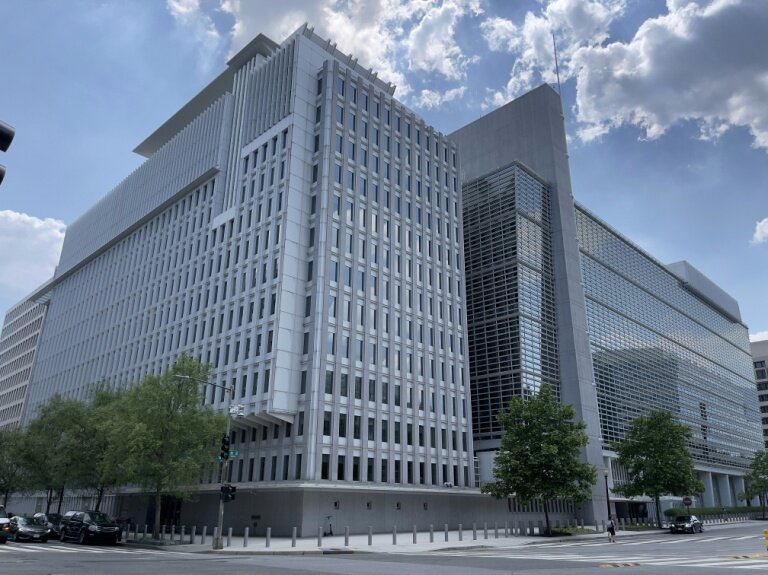
In 2021, ICSID added 70 new cases to its roster, up 75% from 2020. This brought the total amount of cases administered by ICSID in 2021 up to 332 cases. Of these cases, 31% of those appointed as arbitrators were women, up from 14% in 2020. There is still room for further diversity, however: of the overall appointments (women and men), 61% went to those from Western Europe or North America, with appointees from Central America and the Caribbean as well as the Middle East and North Africa regions only accounting for 3% of overall appointees each.

2. Spain’s ECT saga far from over
August was a tumultuous month in relation to ongoing investor-state claims against Spain over breaches of the ECT in 2013 and 2014.
On 30 July, an ICSID annulment committee upheld a EUR 101 million award in favour of Infrastructure Service Luxembourg. Spain’s argument, namely that the tribunal had exceeded its jurisdiction by ruling on an intra-EU matter, failed to impress the tribunal.
One day earlier, on 29 July, Eiser resubmitted its initially annulled EUR 128 million claim.
On 3 August, Arclight Renewables, via two Irish funds, initiated proceedings against Spain for breaches of the ECT, making it the 49th party to do so.
On 17 August, an ICSID tribunal awarded German STEAG EUR 28 million for Spain’s breaches of the ECT. The initial claim was for EUR 126 million, making it a small win for Spain.

3. China issues new draft law
The PRC published revisions to the Chinese Arbitration Law, which, if implemented, would liberalise the structure of arbitration in China. The current arbitration law, enacted in 1994, contains provisions some would consider restrictive, such as a wide scope for judicial intervention in arbitral proceedings, the prohibition of ad hoc arbitration, and strict requirements for arbitration agreements. Furthermore, China-seated arbitrations may only be administered by institutions located in China, though exceptions have slowly been seeping through, in part by Chinese courts upholding awards not rendered in compliance with this requirement. The new law partially liberalises the aforementioned restrictions, as well as allowing arbitral tribunals to grant interim measures (hitherto only granted by courts) and introducing the principle of ‘competence-competence’ into Chinese law.

4. COVID mitigation pleas fail to move tribunals
On 23 July, a tribunal terminated a claim initiated by an Indian company, Simplex, against Libya over Simplex’s failure to pay advances in cost for the arbitration, allegedly due to the impact of COVID-19 in India. Whilst the tribunal sympathised with its plight, it stated that Simplex should have notified the tribunal of these ‘force majeure’ circumstances a lot sooner.
In a June judgment only published in August, the Swiss Federal Tribunal rejected an award debtor’s bid to set aside a USD 9 million award in favour of PE group Actis over allegations that the award debtor had not been heard due to the hearing having been conducted virtually.
However, a new ICSID claim was launched against Chile by two French airport operators on 13 August over allegations that the state’s COVID response measures reduced the value of the claimants’ investment. The claimants, who had a concession agreement to operate the Santiago airport, saw a 90% drop in profits in 2020. Allegedly, Chile had refused to renegotiate the concession agreement. This seems to be the first investment arbitration claim filed over a state’s COVID-19 measures, and as such, is definitely a case to watch.
5. Iran-Bahrain proceedings continue
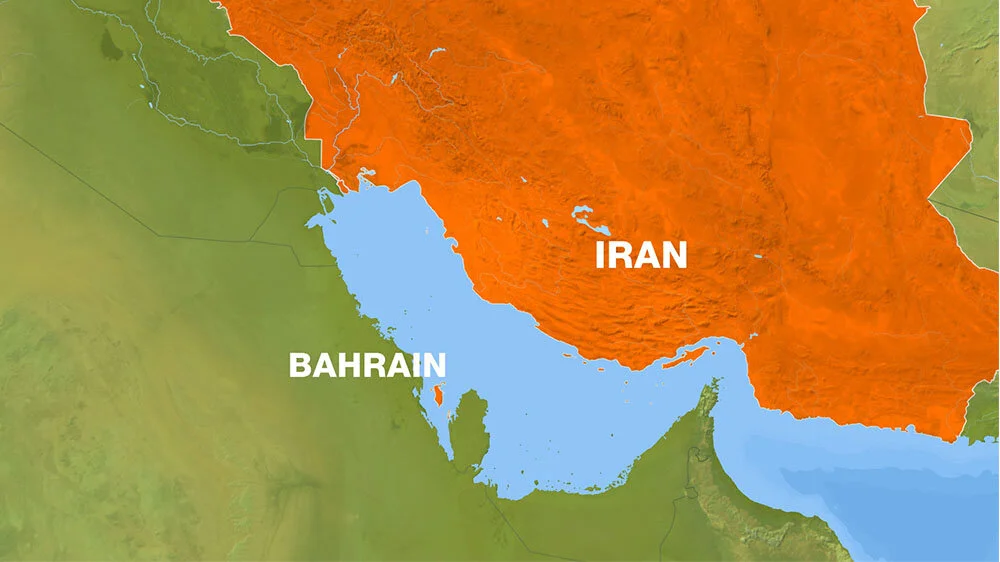
On 2 August, against the backdrop of ongoing treaty arbitration, the Central Bank of Iran issued new proceedings against Bahrain over investments lost due to the Iran nuclear deal in 2015. The claims concern Iranian foreign exchange reserves deposited in Bahrain, which Bahrain allegedly did not return to Iran. Several days before Iran issued the new claim, on 31 July, Bahrain convicted the Central Bank of Iran and several other Iranian banks of money laundering, fining them USD 2.7 million each and confiscating USD 1.3 billion from an Iranian-controlled bank based in Bahrain. Allegedly, the Iranian banks, including the central bank, attempted to evade sanctions and approve transactions that benefitted Iranian entities. This promises to be a case to watch.

6. Discovery Channel’s owner sues Poland
On 12 August 2021, the owner of Discovery Channel filed a notice of dispute against Poland over proposed changes to ownership requirements for media companies in Poland. Under the new draft law, to be voted upon over the next few weeks, non-EU companies would no longer be able to own any Polish media companies. Discovery Channel owns the Polish Broadcasting Group, TVN, which it might be forced to sell as soon as September or October 2021.
As TVN24, one of its channels, has been critical of Poland’s ruling Law and Justice Party, some suspect this may have influenced the decision, citing concerns about the freedom of the press. However, Poland has been accused of acting in a nationalistic manner for the past few years, with this potentially just being the latest in a series of actions.

7. Enforcement of USD 18 billion award against Chevron fails
The US Court of Appeals (Ninth Circuit) upheld a lower instance decision not to enforce a USD 18 billion award in favour of Saudi claimants, including members of the royal family, due to the lack of a valid arbitration agreement and jurisdiction. The alleged agreement was contained in a 1933 concession agreement between Saudi Arabia and an entity that later became Chevron, and later incorporated into a deed between the ancestors of the Saudi claimants, Chevron and Saudi Aramco. Further, the dispute went to the International Arbitration Centre in Cairo, rather than the Hague, as specified in the already disputed agreement. In addition to this, the concession agreement was entered into by the Saudi state rather than the predecessors of the original lessors, and all three arbitrators were later convicted of fraud charges (!).
The court also determined that the New York Convention imposed no duty to appeal the award at the seat. However, the court did state that the lower court was wrong to decline for lack of jurisdiction (although on the merits it had good reason to do so), stating that the court should assume subject-matter jurisdiction over any non-frivolous claim covered by the New York Convention.

8. India amends law that led to Vodafone v India
India announced that it would reform the law that led to the infamous Vodafone v India and Cairn Energy v India cases. Following changes to the Indian capital gains tax structure for non-residents in 2012, major corporations ended up retrospectively owing it billions of USD. This led to high-profile treaty claims cumulatively worth USD 6.7 billion in which the claimants were largely successful.
Any companies which now elect to opt into the new scheme would be refunded the taxes they were forced to pay (though without interest) but could not continue or bring any new legal proceedings in relation to it. This move is likely intended to attract potential investors following the damages suffered by the nation’s economy due to the coronavirus pandemic.
9. Indian Supreme Court recognises interim awards by arbitrators
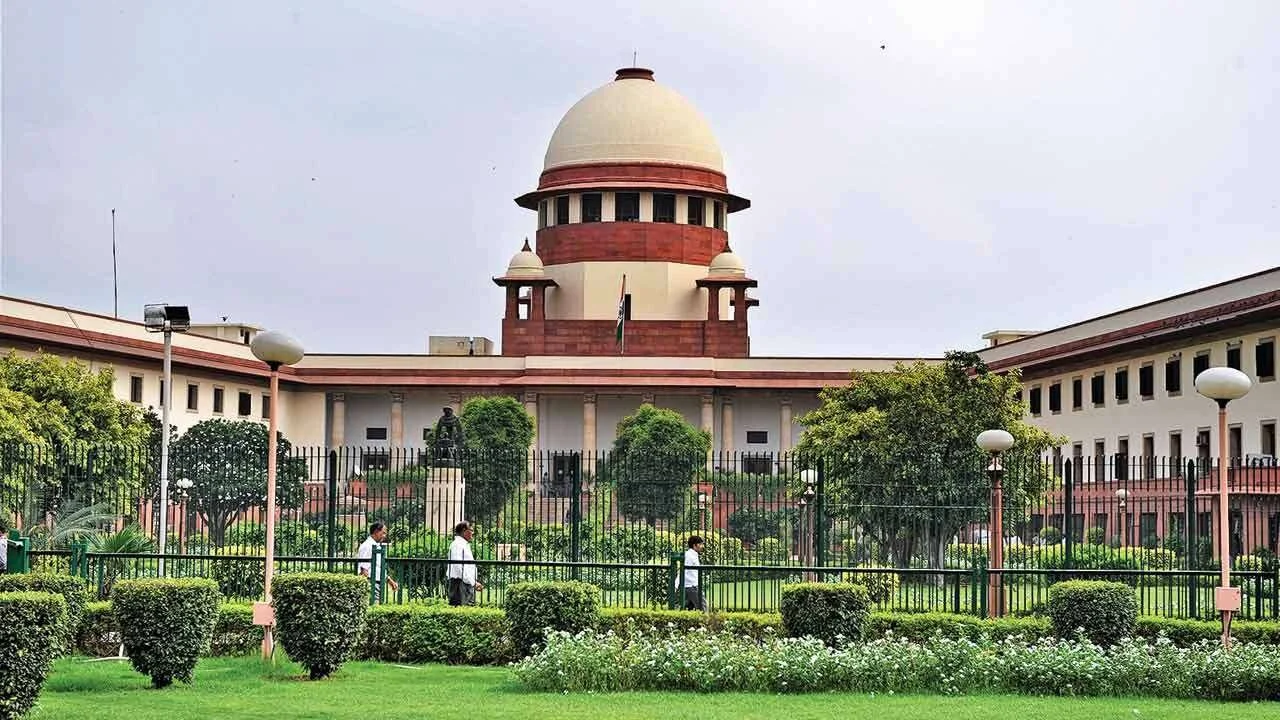
On 6 August 2021, the Indian Supreme Court upheld an interim award issued by a tribunal in favour of global retailing giant Amazon. It emphasised that India’s Arbitration Act allowed parties to choose which institutional rules govern the disputes so that if these allow for interim awards, they are valid. The decision is notable as India’s parliament has not yet recognised emergency awards rendered by tribunals, despite India’s Law Commission’s recommendation to do so.
The substance of the dispute, which concerned a USD 3.4 billion sale by Future Retail in breach of an alleged shareholders agreement with Amazon, is also notable as it relates to control over India’s enormous retail market. We will continue to report on its merits as the case develops.

10. Landmark claim by traders against cryptocurrency exchange
A group of traders are commencing proceedings against Binance, a cryptocurrency exchange. Funded by newly-launched Swiss funder Liti, the individuals in question are seeking USD 20 million in total, with Liti encouraging the other ‘hundreds if not thousands’ of affected traders to join as claimants.
The claim arose after Binance platforms went offline for an hour when cryptocurrency prices were plunging in May 2021. It is an odd case for several reasons. First of all, the claim is controversial because claimants cannot prove that they would definitely have sold during the outage rather than, for example, deciding to hold on to their investments as they feel positive about the long term prospects. Moreover, Binance is ‘stateless’: it has no offices and has fallen outside any regulatory regime, moving its location of registration whenever regulators get too close. Additionally, this type of large ‘group action’ by non-commercial individuals is unusual in arbitration. All in all, this is a case to watch.