Umpire arbitration
Breaking the deadlock
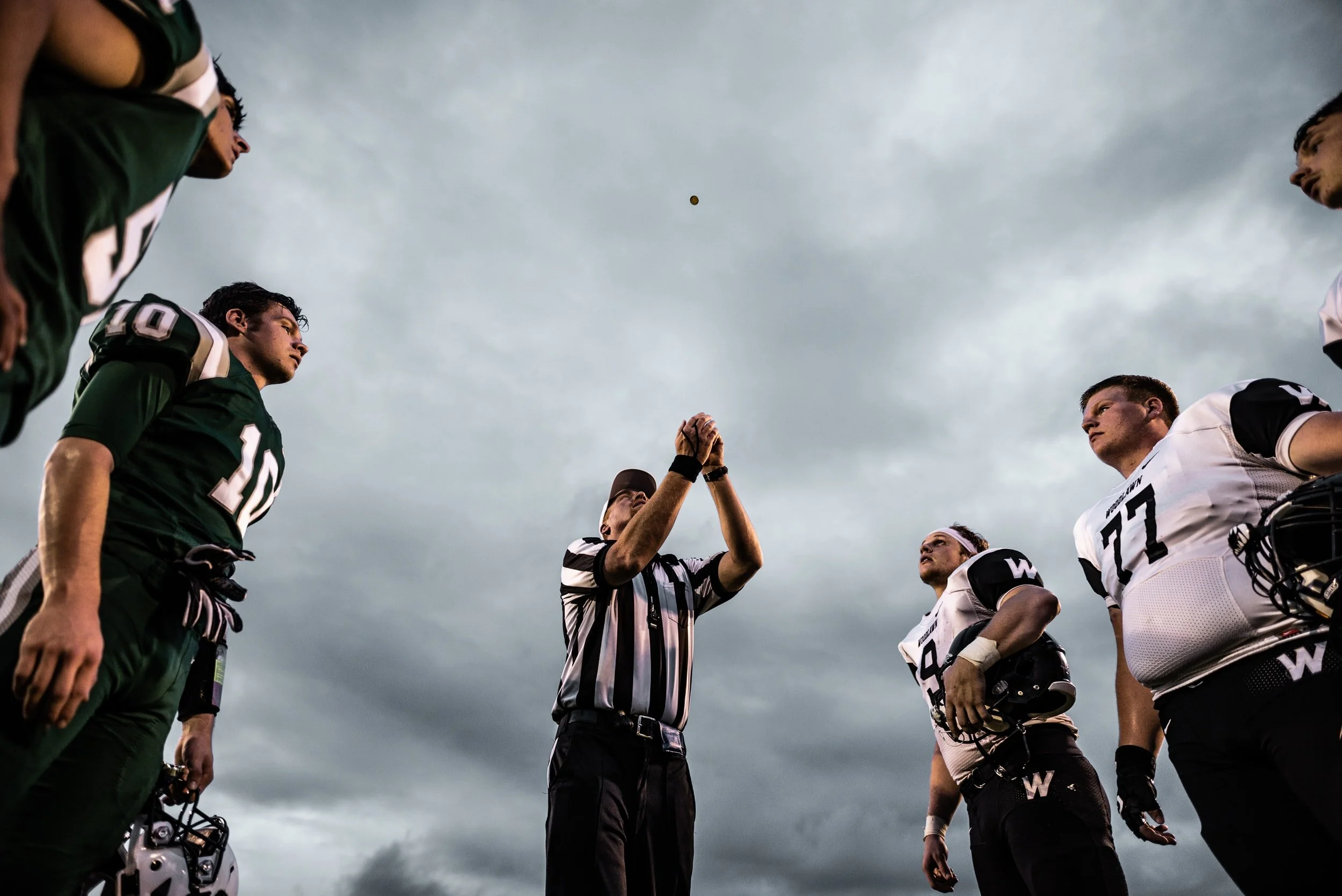
Imagine arbitration as a sports game. The parties are the players, divided into two or more teams. The arbitrators are the referees, impartial, but on the field, right there with the players. And the umpires? They’re sitting in a room at the top of the stadium, with an eye on the game but not following every move. That’s not to say they do not have an important role to play - they do. Their role is to resolve any disagreement between the arbitrators, and as such, is crucial.
When is it used?
What’s that, you might ask? Resolving disputes between arbitrators? Isn’t there usually an uneven number of arbitrators precisely to avoid this?
Umpires are generally only used to resolve a deadlock between an equal number of arbitrators, or where there is, e.g., a three-way difference of opinion between three arbitrators. In the case of a stalemate, the umpire coordinates between arbitrators and ultimately decides who the rules say should win. As in sports, the umpires are themselves not players in the game, nor do they, unlike arbitrators, follow the players’ every move.
The fact that umpires are mainly used in relation to an equal number of arbitrators (or even more rarely, a three or more-way split of opinion) is precisely what makes them so ‘unusual’. Only certain jurisdictions allow an equal number of arbitrators to be appointed. And in the rare instance that an equal number is indeed selected, an umpire will only be appointed where necessary, i.e., where there is a stalemate.
An example of a jurisdiction allowing an equal number of arbitrators to be appointed is Hong Kong. For this reason, section 30 of its Arbitration Ordinance provides that where an even number of arbitrators are appointed, the arbitrators may, unless otherwise agreed by the parties, appoint an umpire at any time after they themselves are appointed. In South Africa, Section 11(a) of the Arbitration Act allows for the same.
Advantages
The advantage of choosing an umpire is that parties may save on tribunal fees: each party gets to appoint its own arbitrator without a third one being required. An umpire will only become involved if and when a disagreement arises, which is not inevitable. Furthermore, even when umpires do become involved, the costs will not be anywhere near that of a third arbitrator. An arbitrator may also help save the parties time: in certain jurisdictions, where arbitrators do not render the award on time, the umpire may step in as the sole arbitrator and render an award alone.
Disadvantages
The potential disadvantages are obvious. There exists the possibility that someone who has not been closely involved in proceedings may be the ultimate decision-maker. Umpires may step in and make unilateral decisions or awards not just where arbitrators fail to render an award sufficiently quickly, but also where arbitrators cannot agree on an issue. Arguably, where two (or more) arbitrators fail to agree on an issue there may be a good reason for this, and whilst an umpire can certainly help break the deadlock, questions of fairness may arise (i.e., be put forward by the party unhappy with the decision!).
Why is it not more common?
Having an equal number of arbitrators often doesn’t work: that’s precisely the reason that the umpire role exists. However, choosing a presiding arbitrator is generally a more suitable solution, given that it reduces the risk of unilateral decision making; something that perhaps motivated parties not to choose a sole arbitrator to begin with. The appointed arbitrators may take issue with the matter being taken out of their hands in the manner an umpire could, especially if they are well-respected within the industry. As such, we don’t see the concept making a ‘comeback’ anytime soon.